
CS 101: What are the Environmental Claims for Community Solar?
Overview: Community Solar partnerships let organizations support local renewable energy projects, but subscribers usually cannot claim they are directly using clean energy because utilities often retain the Renewable Energy Certificates (RECs). In select markets, businesses may access projects that transfer RECs to subscribers, creating opportunities to both save money and advance environmental goals.
One key benefit of a community solar partnership is being able to say you’re supporting a local renewable energy project and a cleaner grid. But does that mean your facility is actually using clean energy? To answer that, we first need to look at how the grid works and the processes for claiming renewable energy use.
Understanding the electric grid
Electricity may seem impossible to track since it travels through a huge, complex electric grid. The grid moves power from many types of generators (including solar panels, wind turbines, coal plants, natural gas plants, and nuclear reactors) through transmission and distribution lines until it reaches homes and businesses. The tricky part for a business striving to use clean energy is, once electricity is on the grid, you can’t tell where it came from. Every electron is mixed together.
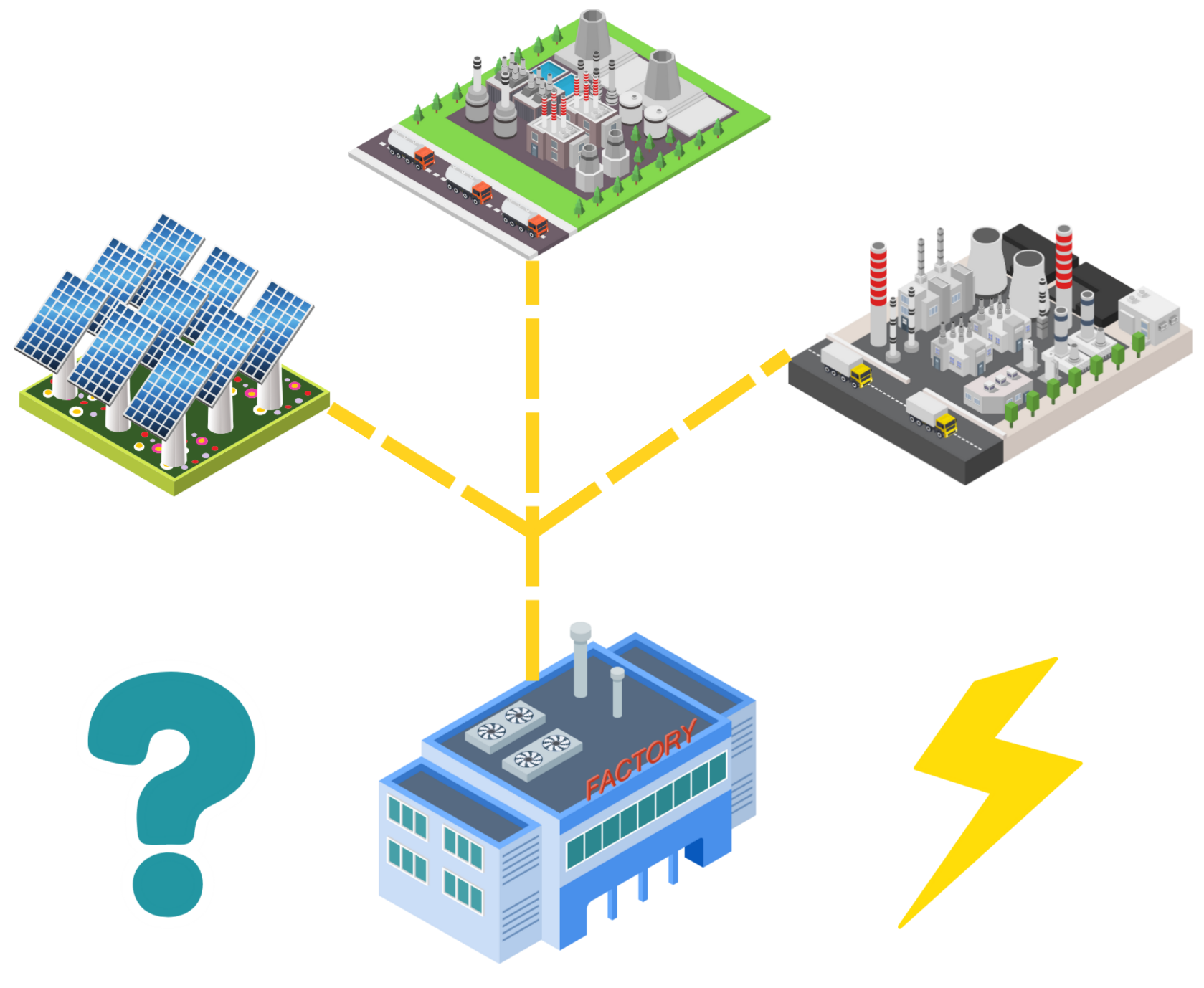
Figure 1: An overview of a mixed source electric grid
So how can a company say it’s using clean energy if there’s no solar panels or wind turbines on the property directly connected to your facility? That’s where Renewable Energy Certificates, or RECs, come in. A REC is like a receipt for clean energy: every time a renewable energy source generates electricity, it creates a certificate. These RECs can then be traded from the project owner to a buyer that consumes electricity in the same area.
This means that even though a business may be consuming electricity from a grid with a variety of generators on it, it can procure RECs from a clean energy source. Once purchased, the business can then retire those RECs and claim they are either partially or fully powered by renewable energy.
Community Solar & Renewable Energy Certificates
With this background, the question is now: do participants in a community solar project receive RECs from the project along with the savings?
The answer is typically no. In most instances, when a community solar program is being developed, the program is structured such that projects must automatically transfer the REC to the local electric utility to allow them to claim progress towards state renewable energy goals.
This doesn’t mean that claims of “clean energy” facilitated by a community solar partnership are impossible though. In limited instances, project owners may be willing to procure a cheaper REC sourced from the market on your business’s behalf and transfer that to you in return for a lower discount/savings rate. However, this is typically only reserved for partnerships with companies that have considerable electricity usage. Reach out to our team if you’re curious what your options may be to claim renewable energy through community solar.
We believe energy savings should be simple
Turquoise Trail Energy Solutions was established to help businesses address rising energy costs and make confident choices on their energy strategy with clarity, transparency, and ease. To learn more, continue with our 5-part Community Solar 101 Series, where you’ll also learn:
Whether you have questions related to community solar, your electric bill, or your savings options in general, we’re here to guide you towards a smarter solution. Reach out to speak with an expert that can help you choose the right path.
